Stock stuck at Kazungula: what a small Zambian business can do while a shipment queues at the border
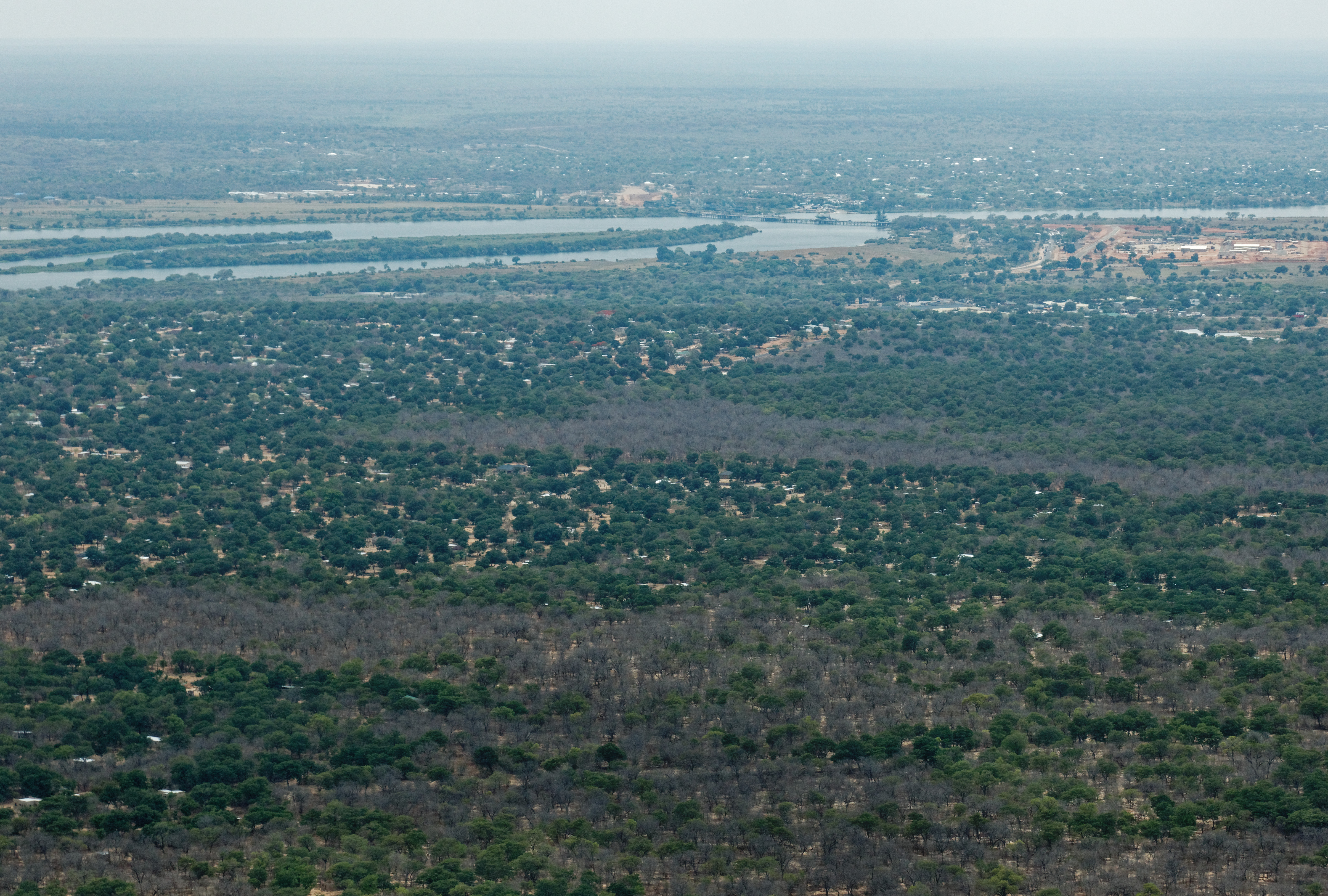
The Kazungula One-Stop Border Post, linking Zambia and Botswana over the bridge that has kept traffic moving 24 hours a day since February 2026, is meant to be the fast route for goods heading up from South Africa into Zambia, the DRC, and beyond. This year it hasn't always worked that way. The Southern Africa Truck Drivers Association of Zambia has raised the alarm over queues stretching kilometres back into Botswana, with drivers stuck for days at a time and little access to basic sanitation while they wait. For a Lusaka shop owner who ordered stock through that corridor, none of that is an abstract logistics story — it's the reason the delivery that was due on Tuesday still hasn't arrived by the weekend.
What actually causes a queue like that is often a system problem before it's a capacity problem. In March 2026, a ZRA system outage combined with a cargo-scanner failure at Kazungula left trucks backed up roughly 10 kilometres into Botswana, because every vehicle has to pass through electronic scanning and clearance before it's allowed through — when that system goes down, nothing physically moves, no matter how many lanes are open. It's a useful reminder that a lot of modern border efficiency runs on digital infrastructure that's invisible until it fails: scanners, clearance databases, and the software that ties them together. When it works, trucks move in minutes. When it doesn't, a whole corridor backs up at once.
There isn't much a small business can do about the scanner or the queue itself, but there's a real difference between finding out about a delay from a chase-up phone call three days late and knowing about it the day it happens. Clearing agents increasingly send real-time WhatsApp updates once a shipment clears or gets held, and some freight operators offer basic online tracking against a waybill number. The bigger lever is on the business's own side: treating a two-to-four-day border delay as a normal part of the supply chain rather than an exception, which in practice means carrying a buffer stock on fast-moving items and reordering by a lead-time trigger — a fixed point where stock on hand plus what's already in transit drops below what's needed to cover the next likely delay — rather than reordering only once the shelf visibly starts to empty.
We build POS and inventory systems that track stock levels against reorder points automatically, so a shop knows it's time to place the next order based on what's actually on hand and what's already been ordered, not on someone remembering to check the shelf. If your business depends on stock that moves through a border corridor like Kazungula, that kind of visibility is usually the first gap worth closing — before a few bad days at the border turn into an empty shelf and a customer you can't help.